
The Smart City Revolution
As the world's population continues to urbanize, cities face unprecedented challenges and opportunities. By 2050, nearly 70% of humanity will live in urban areas, creating a pressing need for sustainable, intelligent, and inclusive city planning.
The Smart City Evolution
As the world's population continues to urbanize, cities face unprecedented challenges and opportunities. By 2050, nearly 70% of humanity will live in urban areas, creating a pressing need for sustainable, intelligent, and inclusive city planning.
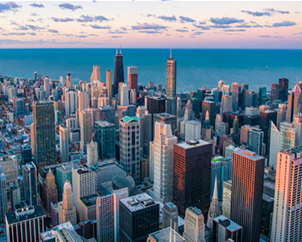
"The city of the future is not built with concrete and steel alone—it's built with ideas, innovation, and the collective will to create something better."
— Urban Planning Expert, 2024
— Urban Planning Expert, 2024
The Smart City Revolution
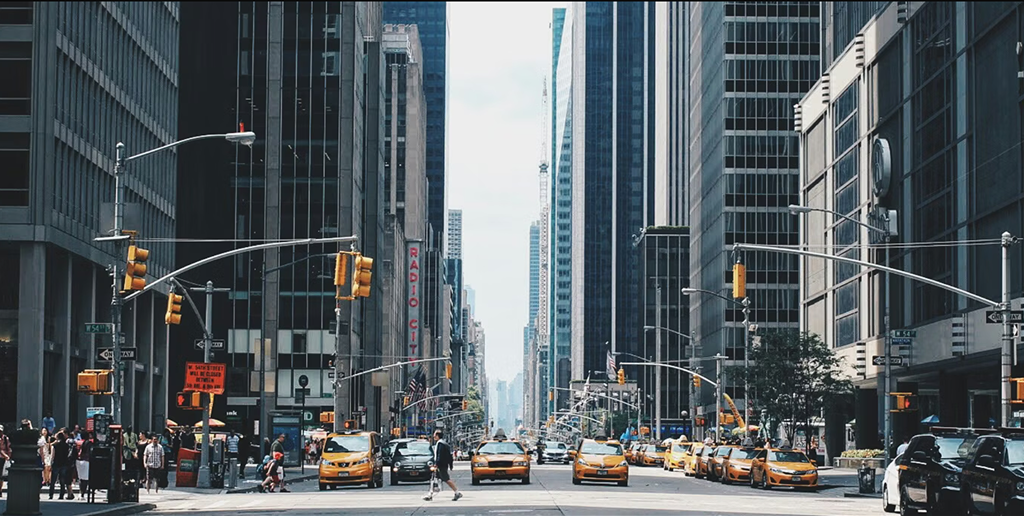
Urbanization brings significant challenges: housing shortages, traffic congestion, pollution, and social inequality. However, cities are developing innovative solutions. Tokyo's efficient public transportation system moves millions daily with remarkable punctuality. Amsterdam's cycling infrastructure has made it one of the world's most livable cities.
Affordable housing remains one of the most pressing issues. Cities like Vienna have addressed this through social housing programs that provide quality, affordable homes for a significant portion of the population. These models show that with political will and creative thinking, housing crises can be addressed.
Climate change adaptation is another critical challenge. Cities are implementing green infrastructure, from rooftop gardens to permeable pavements, to manage stormwater and reduce heat island effects. These nature-based solutions are often more cost-effective and environmentally friendly than traditional approaches.
Affordable housing remains one of the most pressing issues. Cities like Vienna have addressed this through social housing programs that provide quality, affordable homes for a significant portion of the population. These models show that with political will and creative thinking, housing crises can be addressed.
Climate change adaptation is another critical challenge. Cities are implementing green infrastructure, from rooftop gardens to permeable pavements, to manage stormwater and reduce heat island effects. These nature-based solutions are often more cost-effective and environmentally friendly than traditional approaches.
The Smart City Evolution
The future of cities depends on our ability to balance growth with sustainability, innovation with equity, and technology with humanity. The cities that succeed will be those that prioritize the well-being of all residents while embracing the tools and ideas that can make urban living better for everyone.
As we look ahead, it's clear that the cities of tomorrow will be fundamentally different from those of today. They'll be more connected, more sustainable, and more responsive to the needs of their inhabitants. The question isn't whether cities will change—it's whether we'll guide that change toward a better future.
As we look ahead, it's clear that the cities of tomorrow will be fundamentally different from those of today. They'll be more connected, more sustainable, and more responsive to the needs of their inhabitants. The question isn't whether cities will change—it's whether we'll guide that change toward a better future.
"The city of the future is not built with concrete and steel alone—it's built with ideas, innovation, and the collective will to create something better."
— Urban Planning Expert, 2024
— Urban Planning Expert, 2024